.png?width=175&height=42&name=GE_logo%202%20(1).png "Career Prep High School")


For some students, graduation feels like a green light, they know exactly where they’re headed next. For others, the road feels foggy. They’re not ready to start college, or they want more life experience before committing to a major or career path. That’s where a gap year can make a meaningful difference.
A gap year isn’t about avoiding responsibility or “falling behind.” It’s a chance to catch your breath, build confidence, earn money, explore interests, and make a more grounded decision about the future. But many families struggle to figure out what a gap year actually looks like in real life. What programs exist? Which ones are trustworthy? How much do they cost? How do you choose?
Below is a clear, practical breakdown of specific gap year programs, each offering different strengths—service, travel, skill-building, cultural immersion, career exploration, and work opportunities. Students can mix and match these options or choose one path depending on their goals and budget.
Are you having a hard time with high school?
Here at Career Prep, we help our high school students graduate as quickly and painlessly as possible. If you’re someone who has had life complications get in the way of cleanly graduating from traditional public school we can help! And we can help you get into a job and a career you love, too. Give us a call if you want to learn about enrolling at one of our free schools in Ohio, or learn more here.
Start With This: Speeches Become Memorable When They Feel Real
Graduation is an emotional moment for families and a transitional one for students. A great speech honors that, but it doesn’t need grand wisdom or polished perfection. It needs authenticity.
The ideas below help students express something heartfelt without sounding predictable or overly dramatic. Each approach works for any personality — funny, thoughtful, introverted, or confident.
Let’s dive into the good stuff.
1. Programs Focused on Service & Community Impact
AmeriCorps NCCC (National Civilian Community Corps)
Website: https://americorps.gov/
Best For: Students who want structure, teamwork, leadership experience, and a way to serve communities in need.
Cost: Free + housing + stipend + education award.
AmeriCorps NCCC is one of the most respected service-year programs in the U.S. Participants travel in teams and work on projects like disaster relief, environmental restoration, and community development. Students receive housing, meals, and a modest stipend—plus a Segal Education Award they can apply to college tuition.
Why it works for gap-year students:
It gives real-world responsibility, teamwork experience, and a strong résumé builder without financial strain.

City Year
Website: https://www.cityyear.org/
Best For: Students who want to mentor younger students or consider careers in education or social work.
Cost: Free + stipend + benefits + education award.
Participants serve in under-resourced schools as tutors and mentors. This is a full-year commitment and requires maturity, but it can be deeply transformative.
Why students choose it:
It builds leadership skills and creates a sense of purpose, especially for students passionate about equity and community support.
2. Travel & Cultural Immersion Programs
EF Gap Year
Website: https://www.ef.com/wwen/
Best For: Students who want structured international travel with support, learning, and safety built in.
Cost: Medium-to-high ($). Scholarships available.
EF Gap Year programs combine cultural immersion, travel, volunteer work, language learning, and short internships. They’re well-structured, great for first-time travelers, and designed to build adaptability and global awareness.
Why it works:
Students get rich exposure to cultures, independence, and personal growth—all with built-in support.
Rustic Pathways Gap Year
Website: https://www.rusticpathways.com/gap-year
Best For: Students who want immersive travel and service focused on cultural connection.
Cost: Medium-to-high.
Rustic Pathways offers meaningful volunteer travel focused on environmental sustainability, community development, and cultural exchange. Many students choose multi-country programs.
Why students like it:
Programs feel adventurous, experiential, and empowering while still being guided.
Go Overseas Gap Year Listings
Website: https://www.gooverseas.com/gap-year/post-high-school
Best For: Students who need a directory to compare many different travel, volunteer, and internship programs.
Cost: Varies by program.
Go Overseas provides reviews, ratings, and side-by-side comparisons that help families find reputable programs worldwide.
Why it helps:
It removes guesswork by showing verified student reviews.

3. Skill-Building & Career Exploration Programs
Global Citizen Year Academy (Online or In-Person Cohorts)
Website: https://www.globalcitizenyear.org/
Best For: Students who want leadership development and practical global skills.
Cost: Low-to-medium. Many scholarships.
This program focuses on leadership, community engagement, and global problem-solving. The curriculum is project-based and interactive, often with students from around the world.
Good for:
Students who want a future in social impact, business, innovation, or public service.
CIEE Gap Year Abroad (Language, Internships, or Cultural Exchange)
Website: https://www.ciee.org/go-abroad/high-school-study-abroad/gap-year
Best For: Students who want career-focused experiences abroad.
Cost: Medium.
Programs include internships, language immersion, and community-facing work.
Why it matters:
Students gain concrete skills—languages, international experience, independence—and college applications stand out.
Outward Bound
Website: https://www.outwardbound.org/gap-year/
Best For: Students seeking adventure, resilience, confidence-building, and outdoor leadership.
Cost: Medium.
Outward Bound’s gap-year style experiences include wilderness expeditions, leadership training, mountaineering, navigation, and team challenges.
Why students choose it:
Outdoor growth experiences build character, grit, and emotional resilience.
4. Work-Based Gap Year Options
Not all gap years require organized programs or travel. Some students want to work, save money, and gain experience before choosing their long-term path.
Here are structured ways to do that:
Job Corps
Website: https://www.jobcorps.gov/
Best For: Students wanting free career training in healthcare, IT, hospitality, trades, and more.
Cost: Free + housing + meals + learning stipend.
Job Corps is one of the largest free career training programs in the U.S., giving students hands-on job skills and certifications.
Why it’s ideal for gap-year students:
You gain employable skills and don’t pay tuition.
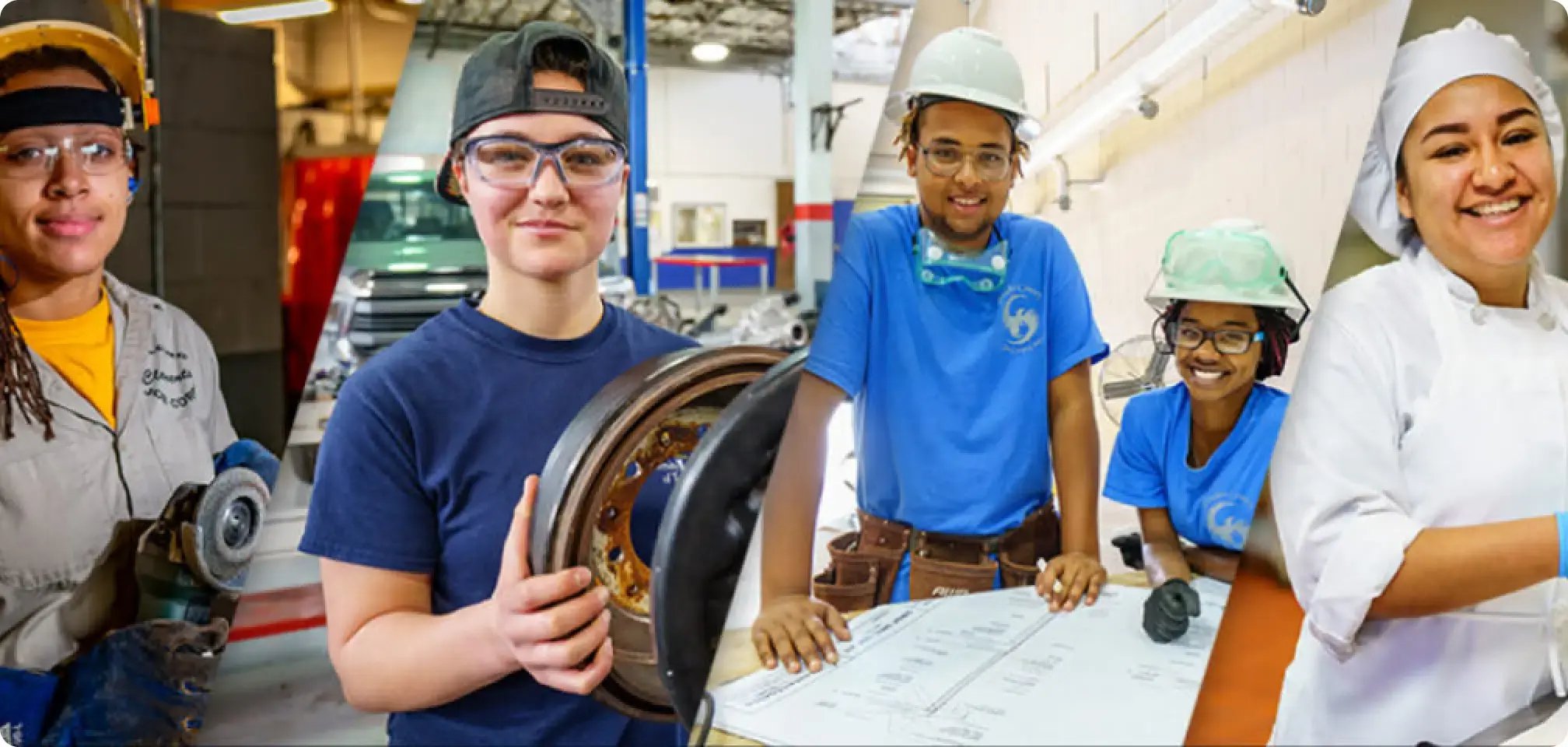
Apprenticeships (Department of Labor)
Directory: https://www.apprenticeship.gov/
Best For: Students wanting paid training in trades, IT, advanced manufacturing, or technical fields.
Cost: Free + earn while training.
Apprenticeships blend job training and classroom instruction while paying students as employees.
Why apprenticeships work in a gap year:
You earn money while gaining skills that lead directly to employment.
5. Hybrid Programs That Combine Travel, Service, and Skill Development
Gap Year Association Accredited Programs List
Website: https://www.gapyearassociation.org/accredited-gap-year-programs/
Best For: Students who want vetted, high-quality gap-year options.
Cost: Varies.
This accreditation list includes programs focused on:
- conservation
- youth leadership
- global service
- outdoor adventure
- cultural immersion
- environmental science
Why it matters:
Accreditation gives families confidence in safety, quality, and transparency.
Is a Gap Year Right for You?
A gap year can be life-changing if:
- you need clarity before choosing a major
- you feel burned out and need space
- you want real-world experience
- you’re unsure about college
- you want to explore a career field before committing
Gap years are not “detours.” They are valuable stepping-stones, especially when intentional.
How to Build a Smart, Structured Gap Year Plan
Families can follow this simple approach:
- Choose your goal: rest, clarity, experience, skill-building, travel, or earnings.
- Pick a program type: service, internship, travel, work, skill-based, or hybrid.
- Decide on duration: full year, semester, or a few months.
- Set expectations: growth, responsibility, safety, and purpose.
- Plan the return: college, training, or Career Prep programs.
Students with a plan tend to come out of the experience more focused, confident, and motivated.
A Next Step for Students and Families
Gap year programs can help students grow into the kind of learners—and leaders—they want to be. For some, the year brings them back to college with new confidence. For others, it leads to technical training, hands-on careers, or certificate programs.
If you or your student is exploring options after high school, Career Prep Academy is here to help you map out a route that fits your goals—whether you choose a gap year, immediate training, or an alternative path.